|
|
|

History
In 1969, Norman Alpert started a company named Alpex Computer Corporation alongside a few engineers from the R&D department of the American Machine and Foundry company.
At first, the company worked on electronic cash registers, but as their business became less profitable, they had to look elsewhere. In 1974, Wallace Kirschner, one of the engineers who had followed Norman in his new venture, proposed a home video game console. Norman immediately understood the potential, as the video game market was blooming, and decided to hire Lawrence Haskel, a software engineer, to handle game development while Wallace Kirschner developed the hardware.
Both engineers began working on the project, dubbed RAVEN (Remote Access Video Entertainment). Hardware and software development progressed well. After creating the Hockey and Tic-Tac-Toe games, the duo realized they would need a way to store games independently. At the time, magnetic tapes were the common method of storing data, but Kirschner and Haskel decided to use EPROMs (Erasable Programmable Read-Only Memory), which were commonly used in development. They mounted these chips on a board designed to withstand repeated insertion and removal.
With a working prototype in hand, both engineers presented their work to Norman Alpert. Norman was very impressed but knew his company did not have the funds to manufacture and market the console. In early 1975, Alpex approached several television manufacturers—Sylvania, Zenith, RCA, and Motorola. All of them turned Alpex down.

Alpex then turned to semiconductor manufacturers, believing they would be best positioned to turn the prototype into a consumer product. The company contacted Shawn Fogarty, a representative from Fairchild with whom they had done business in the early years of the company. Fairchild was highly interested and asked Gene Landrum, the former head of National Semiconductor’s consumer products division, to evaluate the technology and write a feasibility report on the Alpex console from a marketing and business perspective. Landrum tasked Jerry Lawson, one of Fairchild’s most brilliant engineers, with examining the design. Because Jerry already had experience with video games, he was the perfect candidate to oversee the technical side of the project. With the help of Kirschner and Haskel, Lawson modified the prototype to use Fairchild’s F8 microprocessor instead of the Intel 8080.
With the new prototype and Lawson’s schematic sketches for the proposed controller, Gene Landrum filed a report on November 26, 1975, titled “Business Opportunity Analysis: Alpex Video Game.” The report was very (perhaps overly) optimistic about potential sales figures and concluded that Fairchild could sell 5.5 million units by 1978. Following the report, Fairchild CEO Wilfred Corrigan officially decided that Fairchild would enter the video game industry.
Release
On November 30th 1976, Fairchild released the Fairchild Video Entertainment System (VES). While the Fairchild VES was not the first console to feature interchangeable cartridges, it was the first to introduce ROM-Based cartridges. In the past, console such as the Magnavox Odyssey and the Interton Video 2000 had cartridges, but they were only (at best) discrete logic circuits, that could slightly modify the game play around the game of table tennis. The VES, was the first console to use a microchip to load program, which has been the standard ever since. But the Fairchild VES was not the only ROM-based home video game system on the market for long. A mere two months after its debut, RCA released the RCA Studio II. Although RCA denied taking inspiration from the Fairchild VES and stated that development on their console had started well before the Fairchild VES was released, it is reasonable to speculate that RCA took note of Alpex’s presentation of the RAVEN in 1975 and decided to produce its own video game console. But being in black and white with no detachable controller, the RCA Studio II was never a real threat to Fa irchild.
In 1977, Atari announced that it would also produce a cartridge-based home video game system, called the Atari VCS. While Fairchild thought they had the upper hand against Atari, they still decided to change the name from Fairchild VES to Fairchild Channel F (for “Channel Fun”) to avoid confusion with the Atari VCS.
Fairchild Channel F (1977)
By November 1977, Fairchild had sold 250,000 units, but it was already behind Atari, which had just launched its console. Atari favored arcade-style titles that were far more enjoyable than the average Fairchild game. This was largely because Fairchild was a semiconductor manufacturer rather than an entertainment company. Fairchild was also exclusively using chips purchased internally from other Fairchild divisions at a fixed price higher than what Atari was paying external suppliers, which helped Atari undercut its competition.
In 1978, Fairchild realized it needed to refresh its image, improve costs, and adjust its marketing in order to stay afloat and reclaim some of the market share lost to Atari. The solution was to redesign the console to give it a better look and reduce manufacturing costs.
Fairchild Channel F System II (1978)
By the time Fairchild launched the redesigned model, it was already too late. Atari was dominating the market, and other systems such as the Bally Astrocade were taking over the remaining market share. The poor sales figures forced Fairchild to abandon the business. Fairchild struck a deal with Zircon International and sold them the rights to the console.
Demise
Through Zircon, the Channel F System II remained available until 1984 and was also released in selected European countries. In Germany it was sold as the Saba Video Play, in Sweden as the Luxor Video Entertainment System, and in Great Britain as the Grandstand. Zircon would continue releasing new games for the console until late 1981.
Games
A total of 26 cartridges were released for the Fairchild Channel.
 |
 |
 |
 |
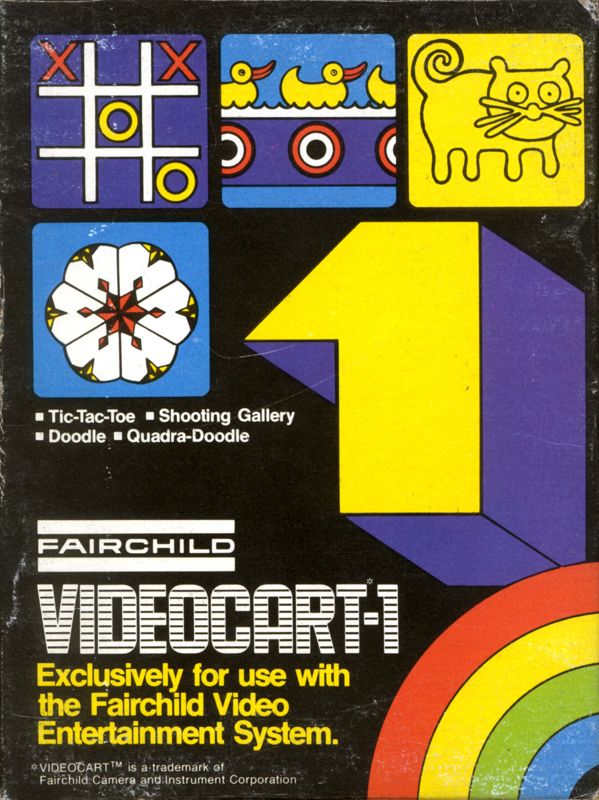
| Videocart-1 Tic-Tac-Toe Shooting Gallery Doodle Quadra-Doodle November 1976 |
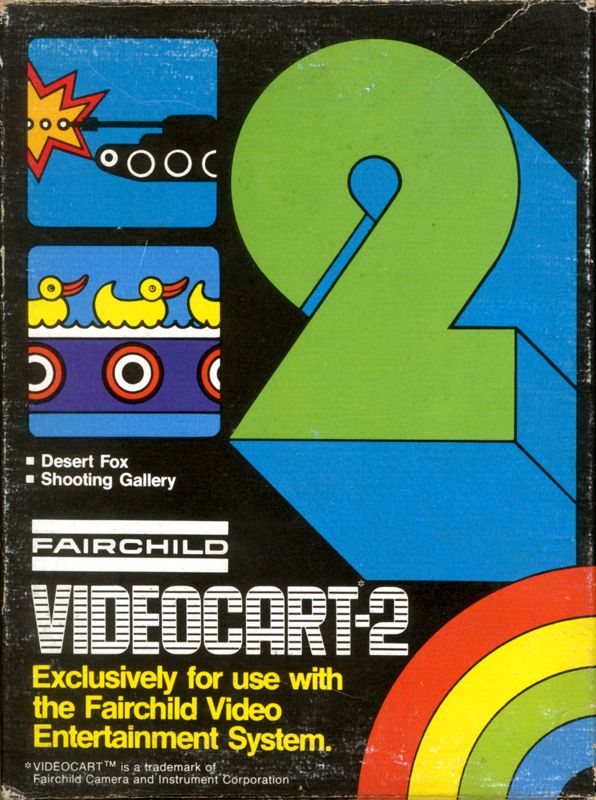
Videocart-2 Desert Fox Shooting Gallery December 1976 |
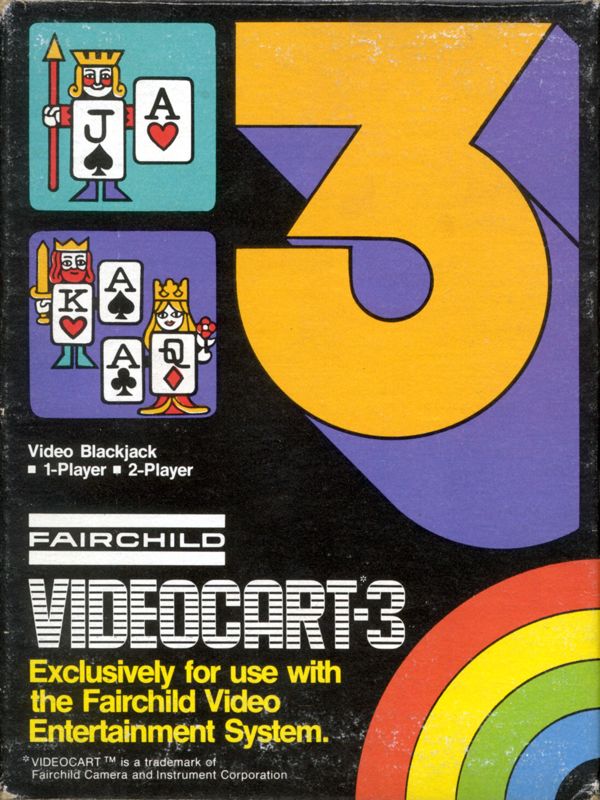
Videocart-3 Video BlackjackDecember 1976 |
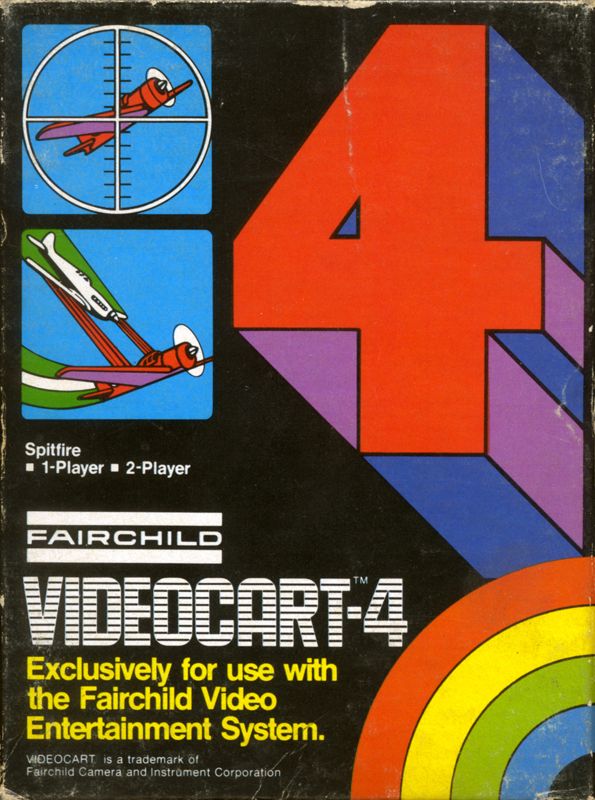
Videocart-4 SpitfireApril 1977 |
 |
 |
 |
 |
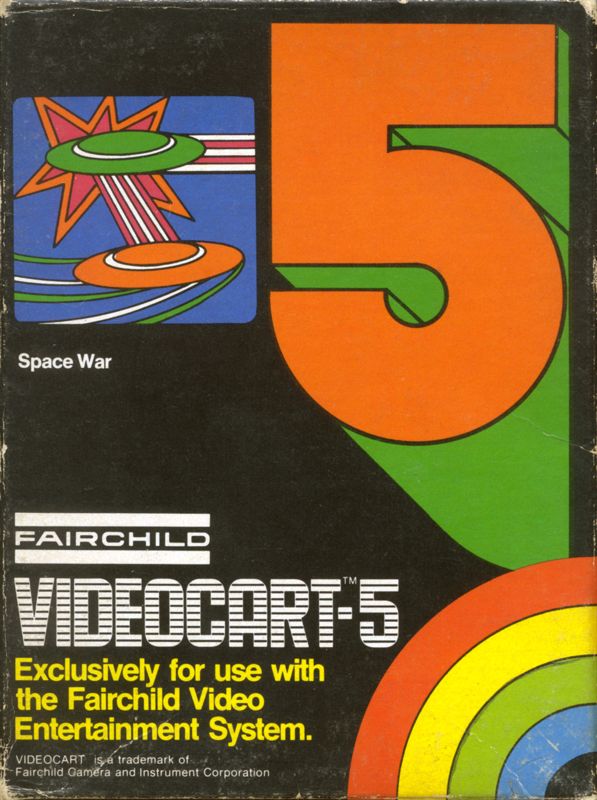
| Videocart-5 Space WarApril 1977 |
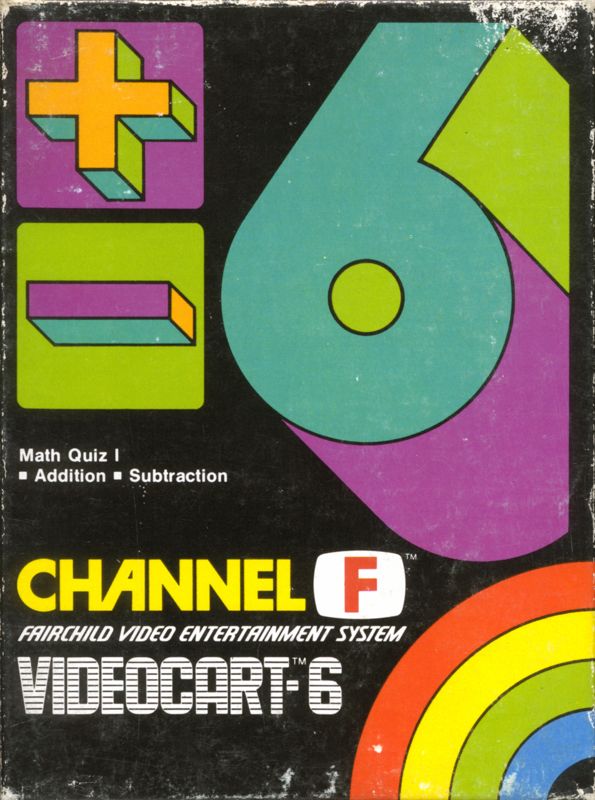
Videocart-6 Math Quiz IMay 1977 |
Videocart-7 Math Quiz IIAugust 1977 |
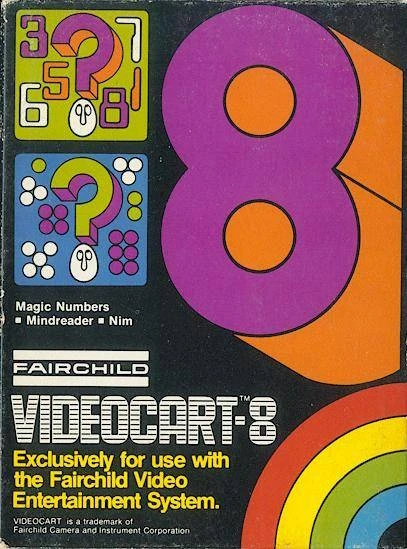
Videocart-8 Mind Reader NimSeptember 1977 |
 |
 |
 |
 |
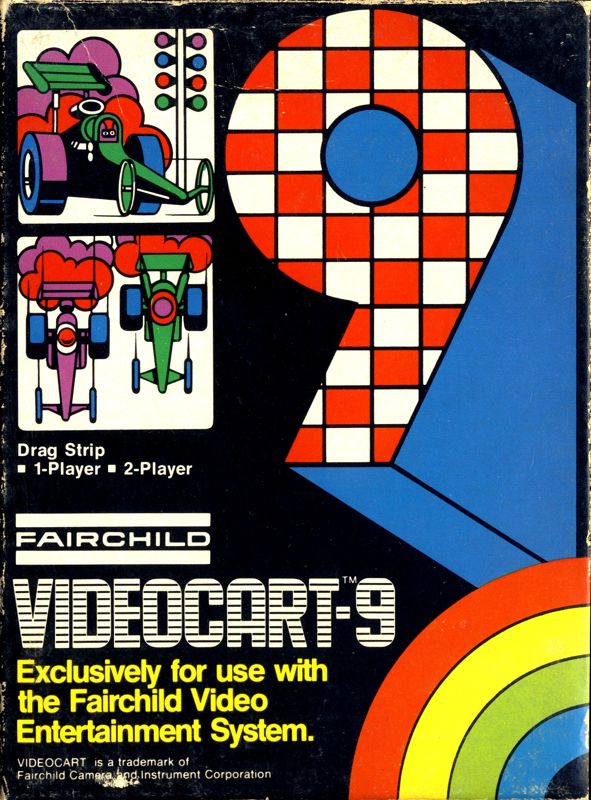
| Videocart-9 Drag StripSeptember 1977 |
Videocart-10 MazeNovember 1977 |
Videocart-11 Backgammon Acey-DeuceyDecember 1977 |
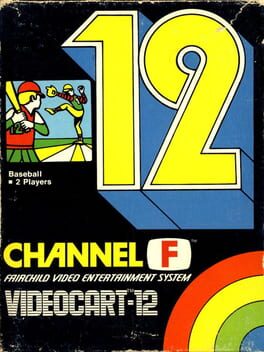
Videocart-12 BaseballSeptember 1977 |
 |
 |
 |
 |
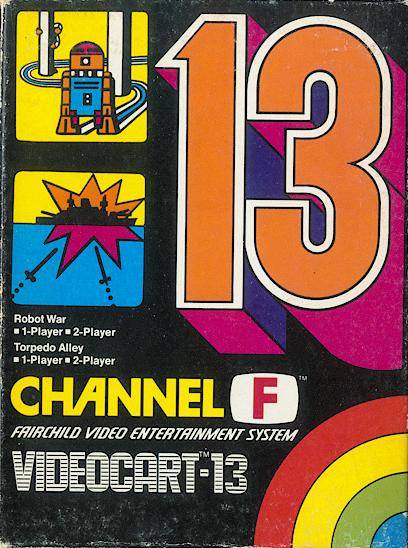
| Videocart-13 Robot War Torpedo AlleyJanuary 1978 |
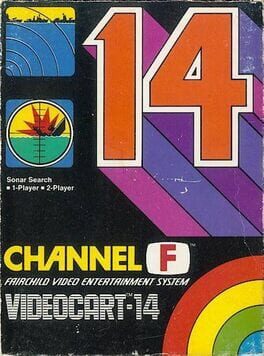
Videocart-14 Sonar SearchMay 1978 |
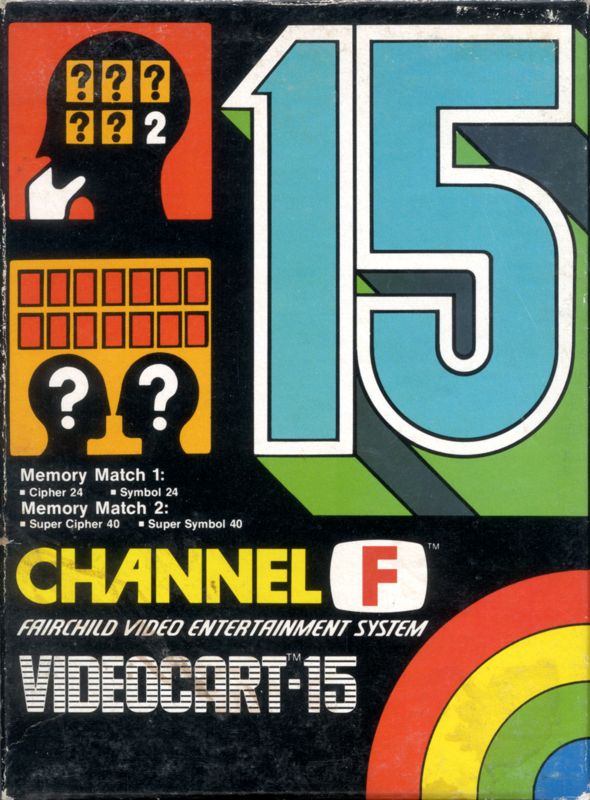
Videocart-15 Memory MatchMay 1978 |
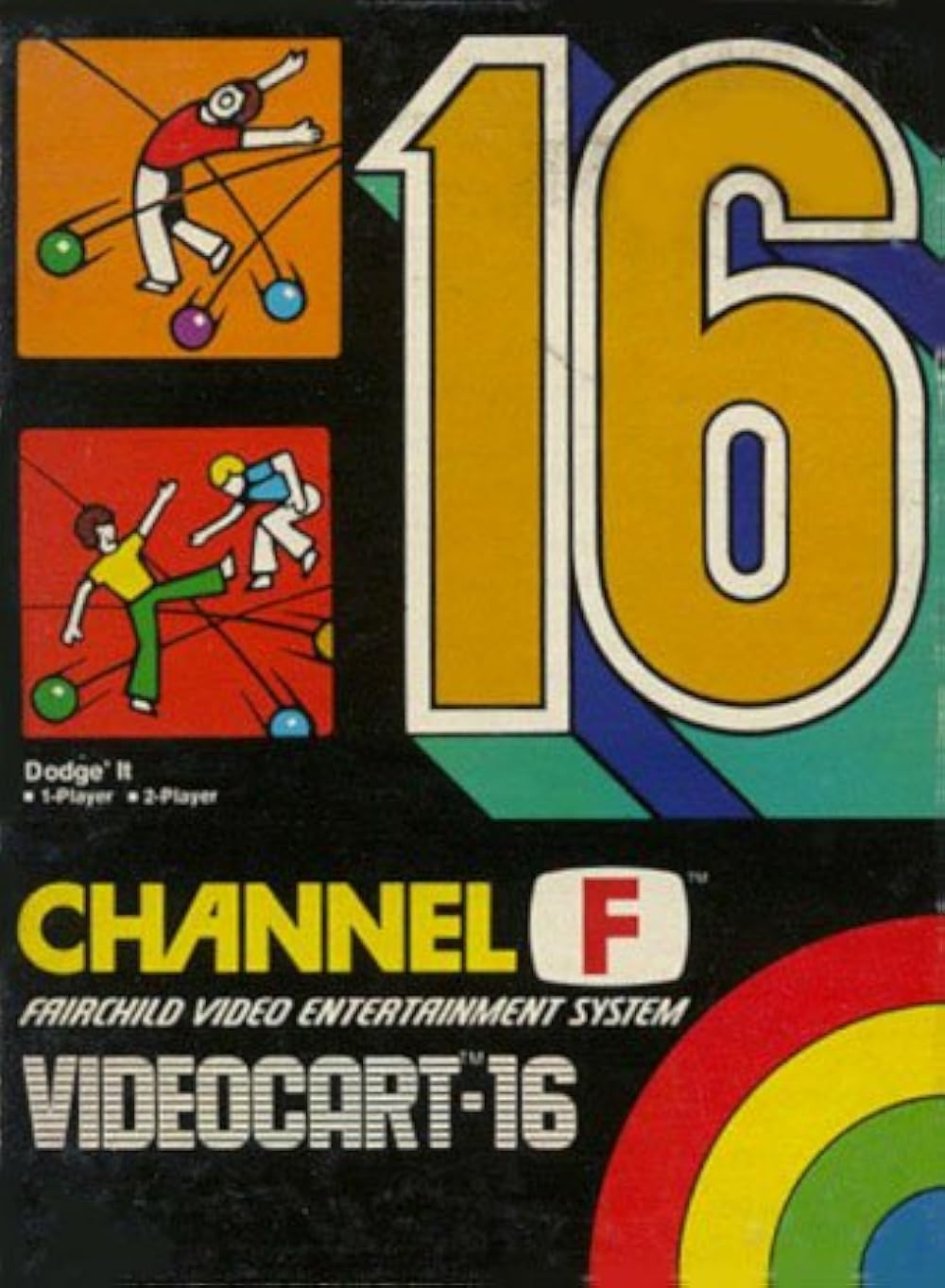
Videocart-16 Dodge’ ItMay 1978 |
 |
 |
 |
 |
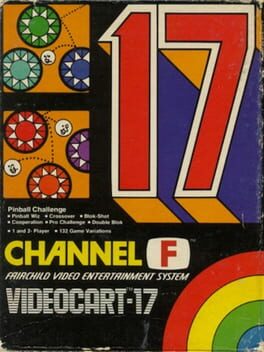
| Videocart-17 Pinball ChallengeApril 1978 |
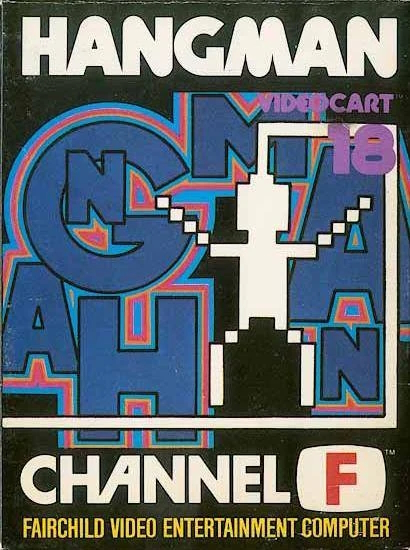
Videocart-18 HangmanNovember 1978 |
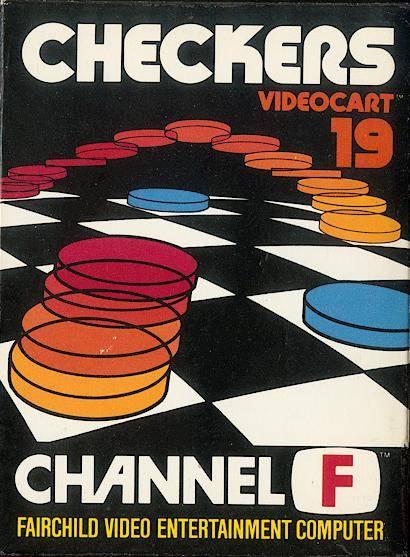
Videocart-19 CheckersAugust 1980 |
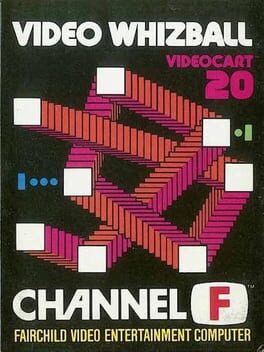
Videocart-20 Video WhizballNovember 1978 |
 |
 |
 |
 |
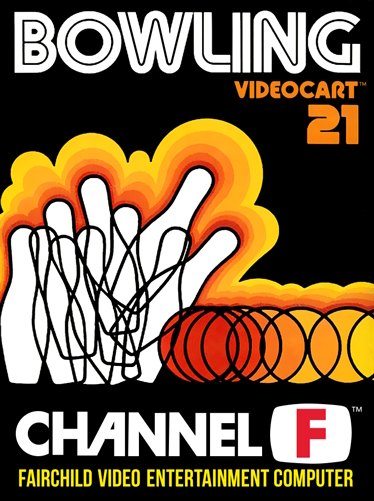
| Videocart-21 BowlingNovember 1978 |
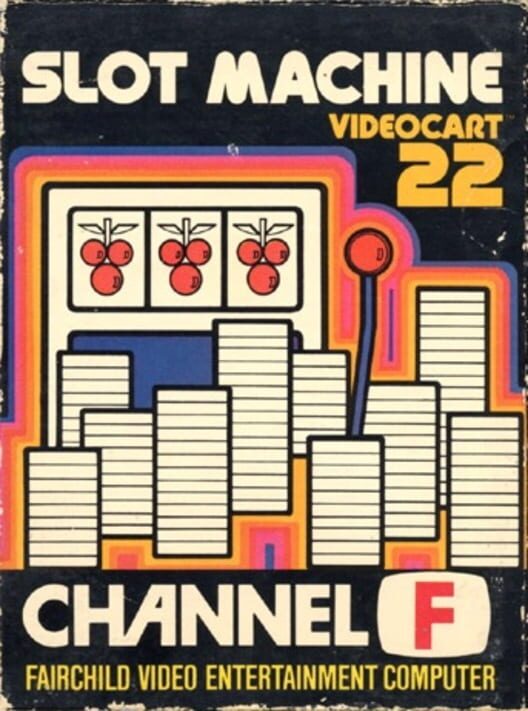
Videocart-22 Slot MachineAugust 1980 |
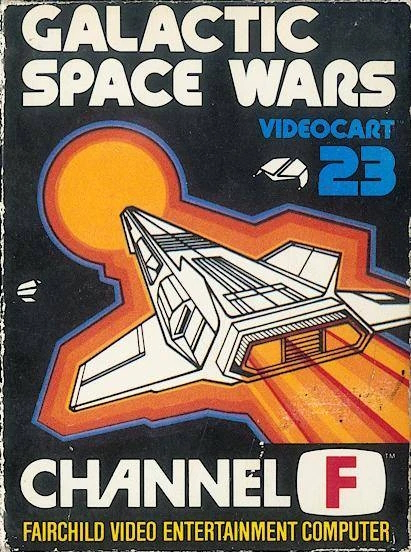
Videocart-23 Galactic Space Wars Lunar LanderAugust 1980 |
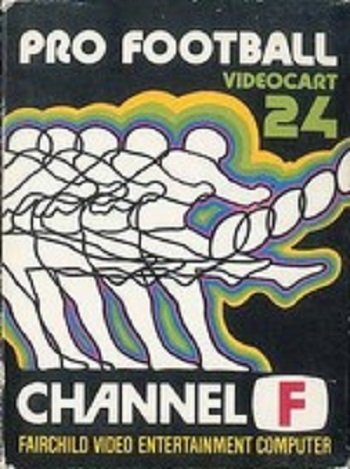
Videocart-24 Pro FootballAugust 1980 |
 |
 |
||
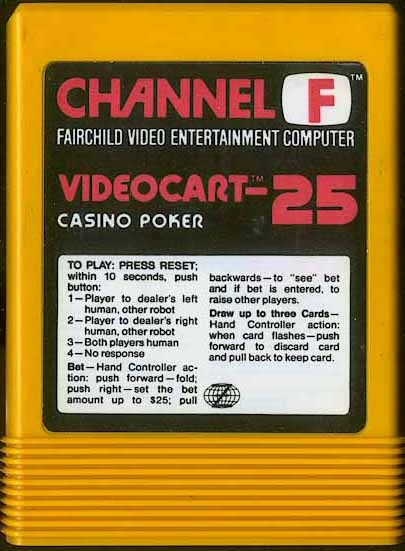
| Videocart-25 Casino Poker1981 |
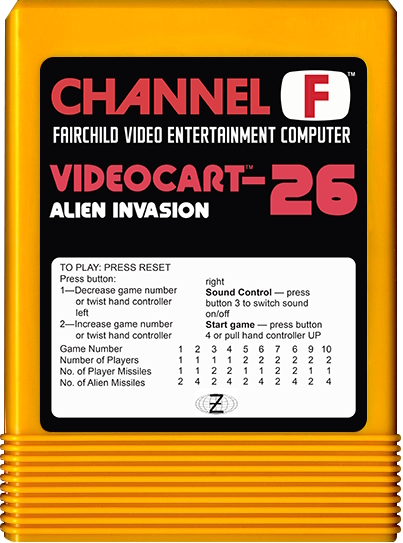
Videocart-26 Alien Invasion1981 |
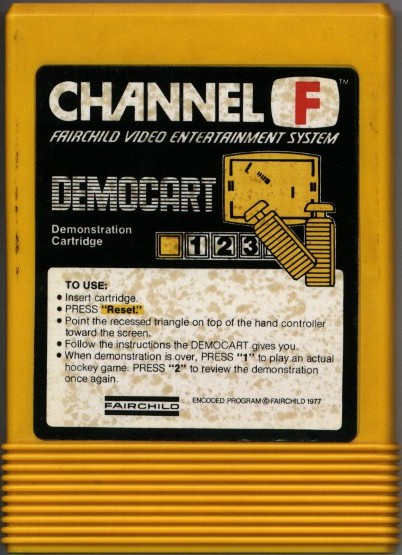
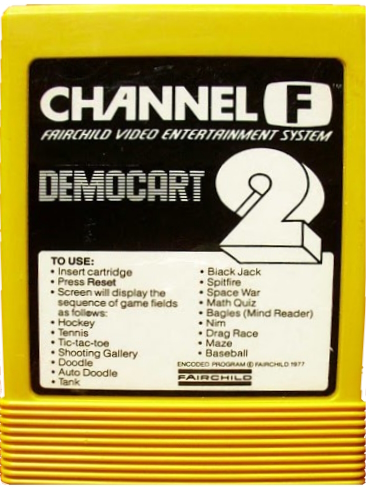
On top of the 26 games cartridges, two Democart were made for retailer to show off the system capabilities. Another game, call Shach, was a chess game, only release in Germany under the SABA VideoPlay brand.
 |
 |
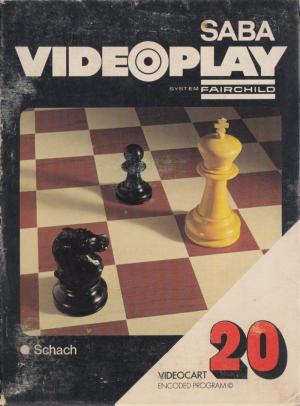 |
| Democart | Democart 2 | Videocart-20 Schach |
Reference
A lot of information in this section comes from interviews of Lawrence Haskel and Wallace Kirschner that were done for an article called “The Untold Story Of The Invention Of The Game Cartridge” by Benj Edwards on FastCompany. I highly encourage you to read the full article as it contains many other interesting information.